by Styliana Pasiardi, Charity Policy and Campaigns Manager, Together Trust
Background
In February 2026, the government published the SEND Reform Consultation, setting out proposed changes to how children and young people with special educational needs and disabilities (SEND) are supported across education, health and care.
While the consultation proposed significant changes to the SEND system, we were concerned by the lack of detail about how provision and legal protections would operate for children educated through EOTAS.
Also, Emotionally Based School Non-Attendance (EBSNA) is a growing area of need, particularly among neurodivergent children, yet it was also not addressed in the SEND Reform Consultation, creating a risk of gaps in support and protections, particularly at key transition points.
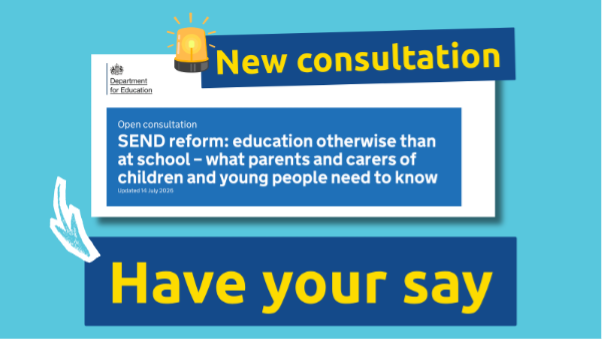
This prompted significant concern from the voluntary sector, parents and campaigners. In response, the government launched a separate consultation on EOTAS in July 2026 to seek views on future arrangements for these children and young people.
Have your say on how EOTAS will work under the proposed SEND reforms
The consultation is open until 18 September 2026.
Nothing will change immediately
Any changes would not be introduced before September 2030 and would require parliamentary approval.
What does the government propose for EOTAS?
- Most children and young people currently receiving EOTAS, particularly those of secondary school age and above, would be able to continue with their existing arrangements.
- They would be offered voluntary support if they wish to return to school or college.
- Children in early years and primary education could be reassessed at the end of primary school to determine the most appropriate provision moving forward.
- Any decisions about future placements or reintegration would be made individually and with family involvement
- One of the most significant proposals is that there would be no right of appeal to the SEND Tribunal against a local authority decision to change or cease EOTAS arrangements.
“We don’t want to see any reductions to SEND Tribunal rights. Such a move raises concerns about access to redress when disagreements arise.”
Styliana Pasiardi, Charity Policy and Campaigns Manager
The government wants your views on:
- The future of EOTAS, including how provision should be overseen and quality assured,
- The role of local authorities, families’ ability to challenge decisions,
- Support for children unable to attend school because of health needs,
- The use of online and alternative provision
- How services can work together to provide earlier support, reduce delays and help children stay connected to education.
“Too many children experiencing EBSNA are falling through the cracks because support comes too late or is simply not available. As the government considers the future of EOTAS, it is vital that decisions are individual, needs-led and shaped by children and families themselves. Strong safeguards and independent routes of challenge must remain in place to protect children’s right to the support they need.“
Styliana Pasiardi, Charity Policy and Campaigns Manager
Stay up to date with our policy and campaigns work
- Sign up for our campaign updates to stay informed about the SEND reforms and our wider policy work.
- Share this blog on social media and tag Together Trust to help raise awareness.
- Check our website news for updates and other opportunities to take part.