
It’s Mental Health Week (5–11 February) and an opportunity to shed light on the mental health of care leavers.
Care leavers often face unique challenges when it comes to their mental health. Stigma can profoundly impact care leavers, perpetuating that they are merely a product of their circumstances and are limited to fulfilling society’s preconceived notions of them (Fieller et al., 2022).
That’s why society needs to embrace children in care and care leavers in their community and why we must fight to improve access to mental health support.
While some local authorities offer a dedicated CAMHS (Child and Adolescent Mental Health Services) program which extends to care leavers up to 25, this is not a common practice. Many care leavers experience the ‘cliff edge’ at 18, leading to a decrease in the access they have to mental health services (WWCSC, 2022).
Likewise, many care leavers between the ages of 19 and 21 are not in education, employment, or training, compared to 13% of all young people that age, (Barnados, 2021). This can exacerbate feelings of insecurity and anxiety, which may be further heightened by the impact of the COVID-19 pandemic (Ofsted, 2022).
If the government fails to invest in rolling out the ‘Stable Homes, Built on Love’ strategy across England after 2025, the long-run bill for children’s social care will be £970 million higher every year.
Other factors which negatively impact care leavers’ mental health include:
- Fewer than half of care leavers felt they had a choice in the type of accommodation they moved to, and only around a third felt they had been given options to choose from. Some had not seen their new accommodation until they moved in (Ofsted, 2022).
- Only 30% of care leavers met their personal advisor at age 16 (or earlier) and around a quarter were aged 18-21, which was too late, according to some (CYP Now, 2022).
- Care leavers often felt rushed into leaving care, having to move with only a few weeks’ notice (CYP Now, 2022).
The system’s fixation on independence and the lack of support needed to prepare for the transition to adulthood can leave care leavers at greater risk of mental ill health, poverty and homelessness (which are themselves drivers of poor mental health).
Currently, care leavers are only entitled to housing if they become homeless until the of age 21. It is vital that support for care leavers is enhanced – the Children’s Commissioner has set out her priorities for change here.
So what action is the government taking?
In its response to ‘Stable Homes Built on Love’, the government announced that the Department for Education is working with the Department of Health and Social Care to update the statutory guidance, ‘Promoting the health and wellbeing of looked-after children’. Importantly, the guidance will be extended to cover care leavers up to age 25, and will set out clear expectations of support for the physical and mental health and wellbeing of children in care and care leavers (DHSC, 2024).
The government committed to increase the access and take up of training by all practitioners and professionals working with children in care and care leavers, to help them spot the signs and respond when a child or young person needs mental health support (DfE, 2023).
The roll-out of Mental Health Support Teams is aimed to be extended to about 44% of pupils and learners by the end of financial year 2023/24, and at least 50% by the end of March 2025, (House of Commons, 2024).
Family hubs are now available in 75 local authorities, and the support includes mental health (Gov.uk, 2024). Also, the government has announced almost £5 million to fund early support hubs nationwide to deliver mental health support for children and young people, and provide earlier, open-access mental health intervention at 10 hubs in community locations (DHSC, 2023).

The government has increased the amount available for the care leavers’ allowance from £2,000 to £3,000 and is boosting the care leavers’ apprenticeship bursary from £1,000 to £3,000.
These are positive steps, but the cash injection does not go far enough to level the playing field between care leavers and their peers, many of whom continue to be supported by their parents far into adulthood. Also, we want to see an 100% coverage of Mental Health Support Teams in schools, and the national rollout of early support hubs in every local area.
The government committed to investing at least £2.3 billion of additional funding by March 2024 to expand and transform mental NHS health services, so that an extra two million people can get mental health support (DHSC, 2023).
If the government fails to invest in rolling out the ‘Stable Homes, Built on Love’ strategy across England after 2025, the long-run bill for children’s social care will be £970 million higher every year than if the Government fully implements its own strategy (Action for Children).
Closing thoughts
To support the mental health needs of care leavers, the government must prioritise them in their agenda. We remain hopeful that cross-governmental lead Johnny Mercer MP will continue to work with other departments, including the Department for Health to “secure improved care leaver outcomes”, by prioritising care leavers’ mental health (CYPNow, 2023).
By addressing the unique needs of care leavers, we can ensure they have the tools to thrive and lead fulfilling lives. Therefore, local authorities and settings that accommodate children in care must take a person-centred approach in planning their transition to adulthood, which must start from early on and have the young person fully involved in the process.
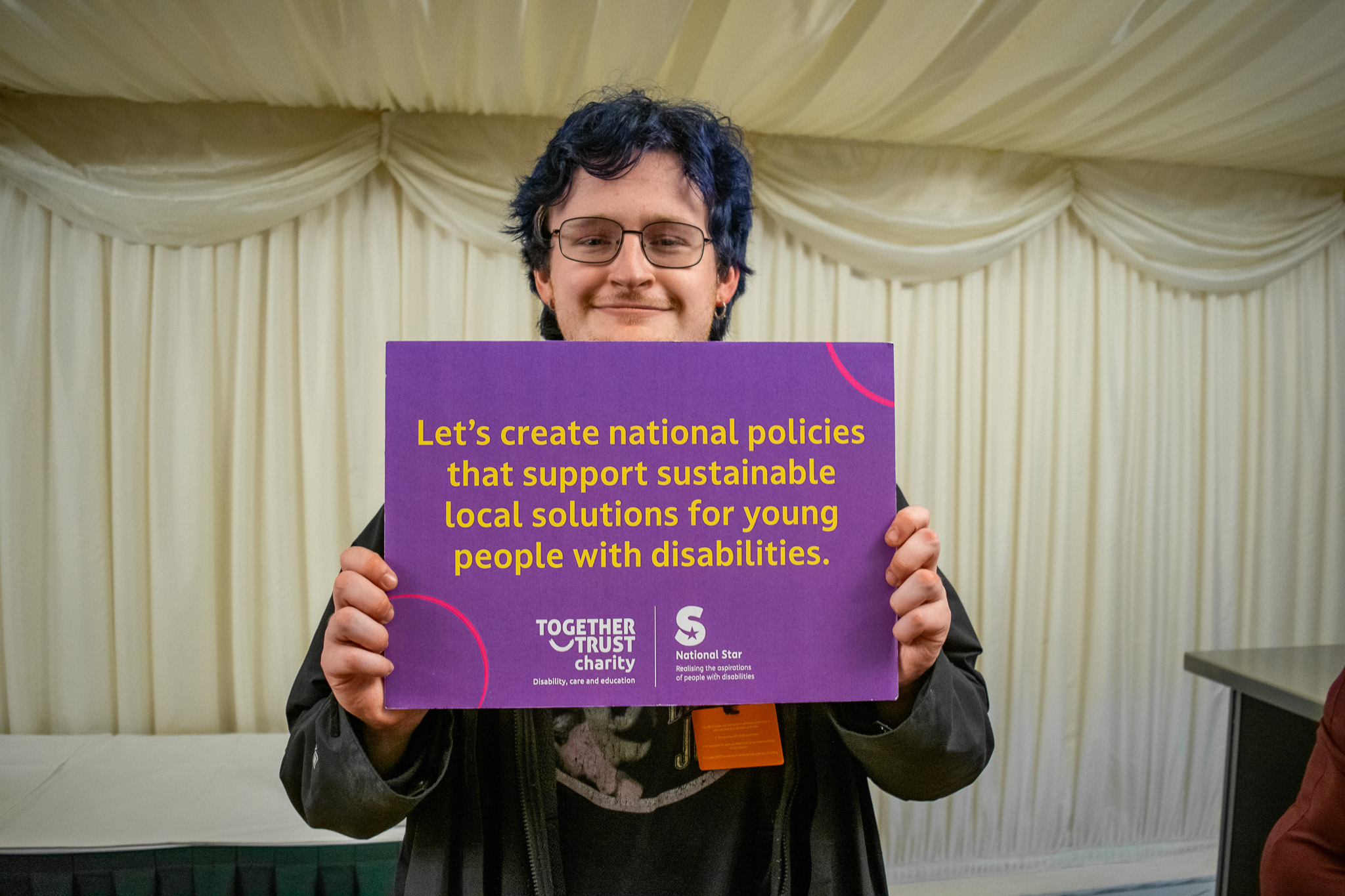
Campaign for change
We strive for a brighter future where everyone feels valued. Join us in making meaningful change for our community.