
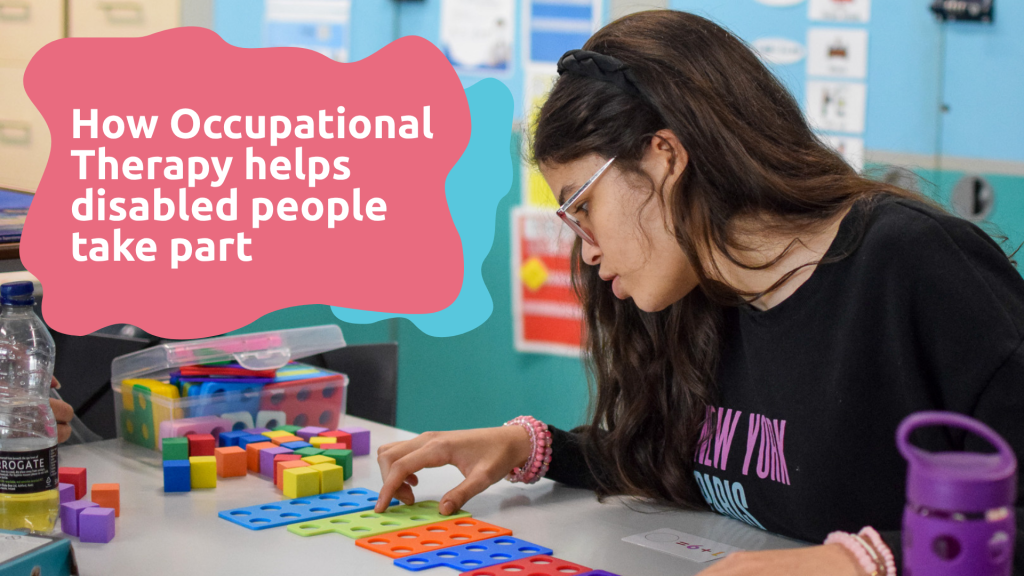
For Occupational Therapy Week (2–8 November), we’re highlighting how occupational therapy helps students at Bridge College overcome barriers, develop independence and take part in the activities that matter to them.
Being able to participate in everyday activities can have a huge impact on someone’s confidence, independence and sense of belonging. At Bridge College, occupational therapy helps students access opportunities that are meaningful to them.
We spoke to Sally, Occupational Therapy Lead at Bridge College, about what participation means, how occupational therapy supports students and the difference that the right adjustments can make.
What does participation mean?
Sally highlights that:
“Participation means ensuring every student has the opportunity to be involved in meaningful activities, make choices, express their preferences and be as independent as possible, regardless of their abilities.”
At Bridge College, this means looking at what each student wants to achieve and considering what might help them get there. It could involve taking part in a lesson, communicating with others, developing everyday living skills or becoming more independent with personal care.
She highlights how occupational therapists can make a difference:
“As an occupational therapist in Bridge College, it’s about removing barriers and adapting activities and environments so that every student can engage in learning, social relationships and everyday life.”
How small changes can make a big difference
Sometimes, making an activity more accessible doesn’t require a major change. A small adjustment to a task, piece of equipment or environment can help someone do something they might otherwise find difficult.
Sally explains that challenges can come up when there’s a mismatch between a person’s abilities and the demands of a task or environment. Occupational therapy looks at what might be creating that barrier and how it could be addressed.
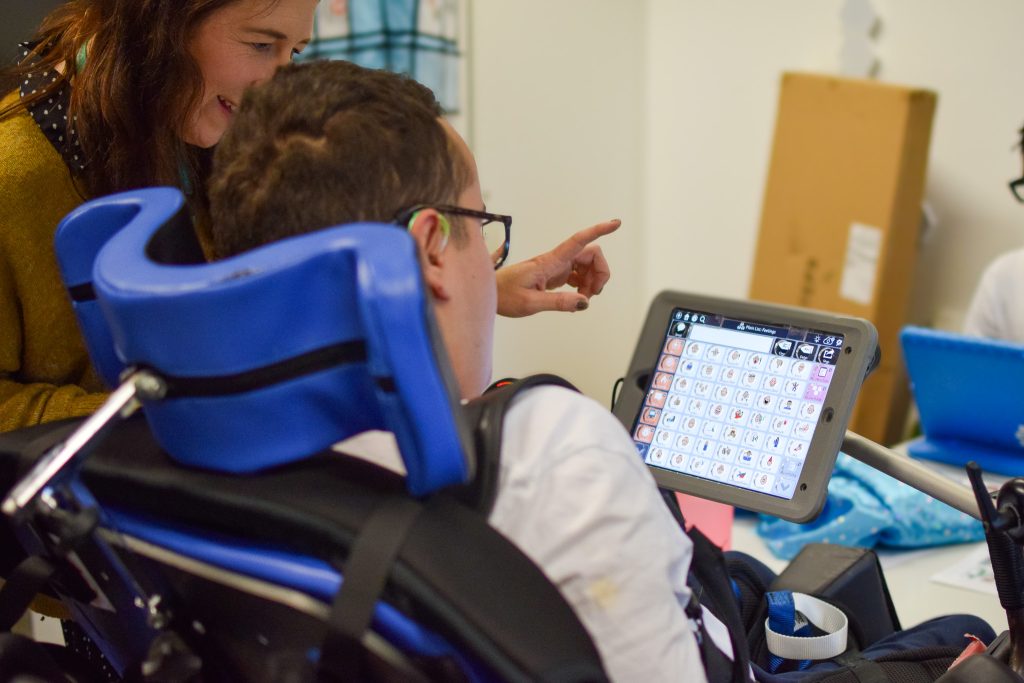
“Simple adaptations, such as visual supports, adapted equipment, sensory breaks, or environmental changes, can remove barriers and promote learning, independence, communication, and engagement.”
One example from Sally’s work at Bridge College shows just how meaningful these adjustments can be.
For a student who experienced physical challenges with personal hygiene, having bidets installed in the college toilets made a significant difference. The adjustment reduced her reliance on staff support, giving her greater privacy and dignity while building her confidence to manage more of her own personal care.
It’s a practical example of how occupational therapy can make everyday activities more accessible and help students develop skills that support them as they prepare for adulthood.

How to find the right support for each student?
There is no one-size-fits-all approach to occupational therapy. An adjustment that works well for one student might not be suitable for another, which is why understanding each person’s strengths, needs and preferences is so important.
The aim is to provide enough support to make an activity achievable, while encouraging students to develop their own skills and independence wherever possible.
Sally describes this as finding the:
“‘Just right’ level of support, ensuring individuals can participate as independently and successfully as possible.”
This balance is important. Occupational therapy isn’t simply about making tasks easier; it’s about finding ways for individuals to take part, build confidence and achieve things that are meaningful to them.
Participation changes everything
As Sally’s experiences at Bridge College show, the right support doesn’t always mean making big changes. Sometimes, a simple adjustment to an activity or environment can open up new opportunities for independence, confidence and participation.
Because everyone deserves the opportunity to take part in the things that matter to them.