
by Bonita Whittaker-Shaw, Specialist Sleep Practitioner and Kate Seasman, Sleep Service Manager
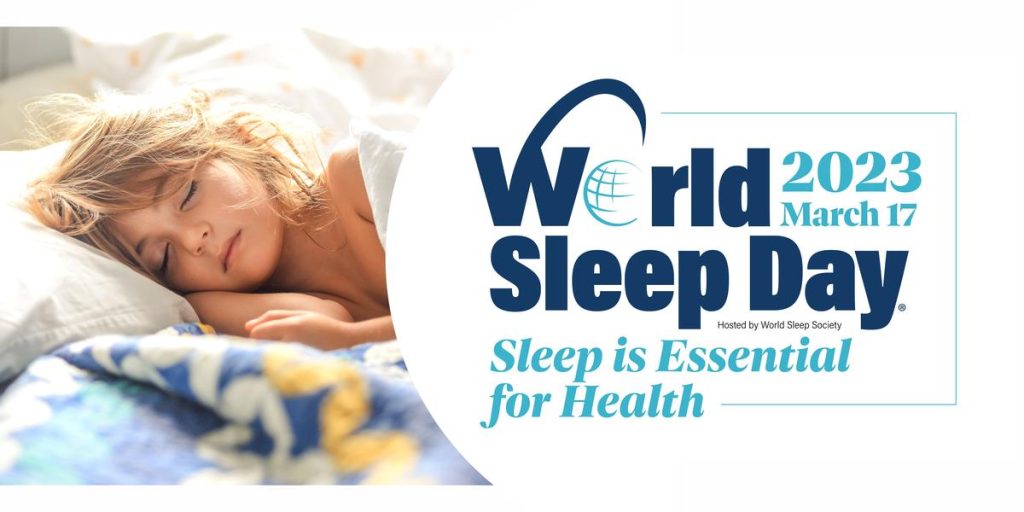
World Sleep Day falls on 17 March this year, and the theme is ‘Sleep is Essential for Health’.
Sleep is a biological necessity for humans. We all do it, although some more than others, and we spend around a third of our lives asleep, which highlights just how important it must be. However, it’s not something that we all protect in the same way that we ringfence time for exercise or socialising. Bedtime is often the first thing to be pushed back when we are busy, have work deadlines to meet, or enjoy time with friends or family late into the evening.
Not protecting time for sleep each night could have a significant impact on our health, so much so that some organisations call lack of sleep a public health crisis. Simply restricting the number of hours that we sleep each night can have a drastic impact on our memory, ability to learn, mental and physical health. In 2022, the American Heart Association added sleep to its list of eight essential factors for cardiovascular health.
Research has indicated a 24% increase in heart attacks the day after the clocks go forward in the spring, when people may have just one hour less of sleep for one night. This is mirrored by a 21% decrease in heart attacks the day after the clocks go back in autumn, where people may have one additional hour of sleep.
Similar trends have been identified in the likelihood of having a stroke following daylight saving, particularly for people who have additional health concerns such as cancer. Restricted sleep, even for a short period, can increase the risk of developing several types of cancer and reduces the activity of cells responsible for immune function. Reduced sleep can even distort our DNA.
Sleep is critical to our health in so many ways:
- It keeps the cardiovascular system healthy
- It regulates our energy levels, metabolism and appetite
- It helps to support memory and learning
- It helps clear waste from the brain and promotes brain health
- It supports the health of our immune system
- It helps the immune system to clear bacteria and viruses
- It repairs the day’s damage from things like stress, UV light and other harmful things
Matthew Walker, the author of Why We Sleep, says, “There is simply no aspect of your wellness that can retreat at the sign of sleep deprivation and get away unscathed.” Clearly, it is something we could all benefit from prioritising more in order to invest in our long-term health. But how do we begin to do this?
One of the most important things we can do to help us get better sleep is to get up at the same time every day and go to bed at the same time every night. This can anchor our sleep pattern to improve not just the quantity but the quality of our sleep.
The biggest external factor affecting sleep is light, which is closely linked to the day/night circadian rhythm. The production of melatonin, the hormone that helps us to fall asleep, halts or slows when exposed to light.
We can negate the effects of light by dimming or turning off lights in the evening, making the bedroom as dark as possible, putting the blue light filter on our phones and trying to avoid screens in the hour before we go to bed.
Another easy way to improve our sleep is to ensure the space we sleep in is cool. For our bodies to fall asleep and stay asleep, our body temperature has to drop by at least one-degree celsius. The ideal temperature for sleeping is around 16-18 degrees Celsius.
Finally, sleep isn’t something we can ‘catch up’ on at a later date. If we want to invest in our health, for now, and for the future, we need to prioritise protecting our sleep.
For other tips on how you can improve your sleep, you can find some handy advice sheets developed by our specialist sleep service here Resources, information and advice | Together Trust.
There is also a free webinar to help you support the sleep of young people on our website here: Sleep Tight Rochdale | Together Trust.